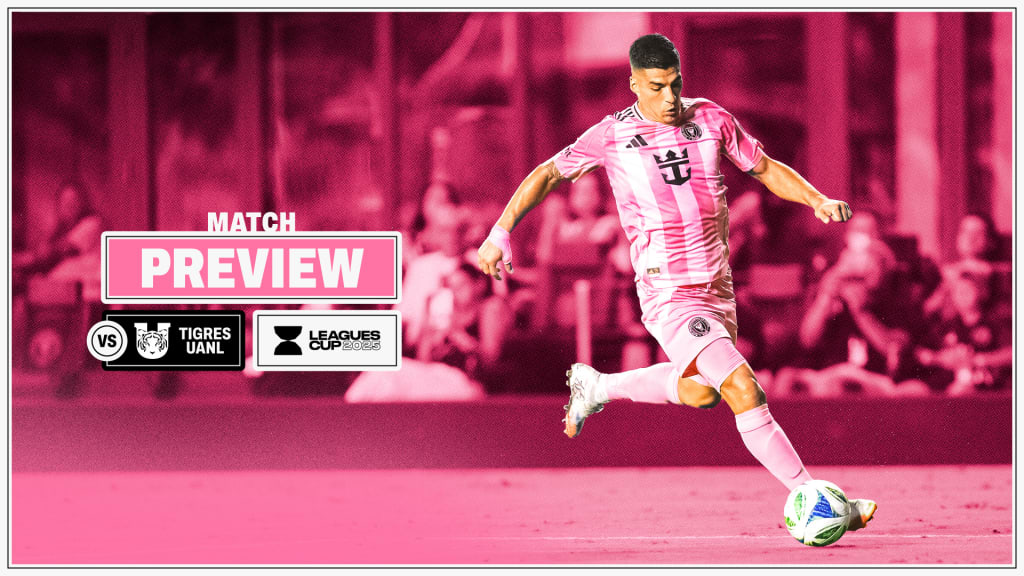
Inter Miami vs Tigres UANL Timeline: Star Players and Game-Changing Moments
The Inter Miami vs Tigres UANL Timeline captures far more than a simple result. It reveals how a tightly contested match evolved through strategy, discipline, and decisive moments. From patient buildup in the early stages to a dramatic late penalty, every phase of the game contributed to a compelling narrative that kept fans fully engaged.
This wasn’t just a match defined by goals—it was shaped by momentum swings, tactical awareness, and the influence of world-class players like Lionel Messi and Luis Suárez. Their presence elevated the intensity, but it was the collective effort and mental resilience of both teams that truly defined the outcome.
In this detailed breakdown, we explore the full timeline, analyze the key turning points, and highlight why this encounter continues to generate global attention.
Match Overview: A Strategic Contest from the Start
The game began with a controlled tempo, as both teams approached the opening minutes with caution and structure. Inter Miami focused on maintaining possession, carefully circulating the ball to control the rhythm of play. Tigres UANL, meanwhile, prioritized defensive organization, ensuring that space in critical areas remained limited.
Rather than an explosive start, the match unfolded like a tactical chess battle. Every pass, interception, and positional adjustment mattered. Miami’s strategy was built on patience—drawing Tigres out of shape gradually—while Tigres relied on discipline and timing to create counterattacking opportunities.
This balance of contrasting styles set the tone for a match that would gradually build toward high-intensity drama.
Early Game: Possession vs Structure
From the opening whistle, Inter Miami asserted control through their midfield. Short, accurate passes allowed them to dominate possession and dictate the tempo. Their approach wasn’t about immediate breakthroughs but about building pressure over time.
Players constantly repositioned themselves, offering passing options and maintaining rhythm. This methodical play forced Tigres to remain alert defensively, shifting their formation to block potential attacking lanes.
Tigres, however, executed their defensive plan effectively. Their compact structure limited clear scoring chances, even as Miami controlled the ball. By staying disciplined, they ensured that possession alone wouldn’t translate into goals.
The early phase demonstrated a key principle of modern football: control doesn’t always equal dominance unless it leads to meaningful opportunities.
Tigres’ Defensive Setup and Counterattacking Threat
Tigres approached the match with a clear defensive identity. Their players maintained tight lines, minimizing space between midfield and defense. This organization forced Miami to play around them rather than through them.
At the same time, Tigres remained dangerous on the counter. Quick transitions allowed them to exploit gaps when Miami pushed forward. These moments, though limited, kept Miami cautious and prevented them from committing too many players to attack.
This balance between defense and counterattack created tension throughout the first half. Fans could sense that a single mistake or breakthrough would shift the entire match.
First Half Turning Point
As the first half progressed, Miami’s persistence began to pay off. Their structured buildup eventually led to a decisive moment when they earned a penalty.
In the 23rd minute, Luis Suárez stepped up and calmly converted, giving Inter Miami a 1–0 lead.
This goal had a significant impact:
- It rewarded Miami’s patient approach
- Forced Tigres to rethink their strategy
- Increased the overall intensity of the match
Despite the goal, Tigres remained composed. They did not abandon their structure but gradually increased their attacking intent, ensuring the game stayed competitive.
Halftime: Reset and Recalibration
By halftime, both teams had revealed their core strategies. Miami had controlled possession and taken the lead, while Tigres had demonstrated defensive resilience and flashes of attacking threat.
The break allowed both sides to adjust:
- Miami aimed to maintain control while preparing for increased pressure
- Tigres planned to press higher and create more chances
These adjustments set the stage for a more dynamic second half.
Mid-Game Momentum Shift
The second half began with a noticeable change in tempo. Tigres increased their pressing intensity, pushing higher up the pitch and challenging Miami’s defenders.
This shift created several effects:
- Miami faced greater pressure in buildup
- Passing had to become quicker and more precise
- The game opened up with more transitions
Miami responded by adjusting their shape, creating wider passing lanes and relying on quick combinations to bypass Tigres’ press.
This period highlighted how tactical flexibility can influence momentum. Small changes in positioning and movement began to reshape the flow of the match.
Substitutions That Changed the Game
As the match progressed, both teams made key substitutions that significantly impacted the tempo.
Inter Miami introduced fresh players to:
- Add pace in attack
- Increase creativity
- Maintain energy levels
Tigres made changes to:
- Sustain defensive intensity
- Support their pressing strategy
- Keep attacking options active
These substitutions acted as turning points, injecting new energy and altering the rhythm of play. Fresh legs allowed both teams to maintain intensity deep into the game.
The Equalizer: A Shift in Momentum
In the 67th minute, Tigres found their breakthrough, scoring the equalizer and bringing the match level.
This moment transformed the game:
- Momentum shifted toward Tigres
- Miami faced increased pressure
- The pace and intensity rose sharply
The equalizer also changed the psychological dynamic. Tigres gained confidence, while Miami needed to regroup and respond quickly.
This phase of the match demonstrated how a single goal can redefine the entire narrative.
Late Game Drama: Pressure and Precision
As the match entered its final stages, tension reached its peak. Both teams pushed for a decisive goal, creating an atmosphere of unpredictability.
Miami focused on maintaining composure, continuing their possession-based approach. Tigres, energized by their equalizer, pressed aggressively and created dangerous moments near Miami’s goal.
Every pass, tackle, and decision carried weight. The margin for error became extremely small.
The Decisive Moment
The defining moment came late in the game when a handball inside the Tigres penalty area triggered a VAR review.
After confirmation, Inter Miami were awarded a penalty.
Once again, Luis Suárez stepped forward under immense pressure—and delivered. His composed finish secured a 2–1 lead for Miami in the final minutes.
This moment highlighted:
- Mental strength
- Tactical patience
- Clinical execution
It was the culmination of everything Miami had built throughout the match.

Star Players Who Made the Difference
Lionel Messi
Lionel Messi played a crucial role beyond scoring:
- Drew defenders out of position
- Created space for teammates
- Controlled attacking movements
His influence shaped the game even without direct goal involvement.
Luis Suárez
Suárez was the decisive figure:
- Scored both goals
- Delivered under pressure
- Positioned himself intelligently
His performance demonstrated the value of experience and composure in critical moments.
Offensive Coordination and Teamwork
Miami’s attacking play was built on coordination and understanding. Movement off the ball created opportunities, while precise passing maintained attacking flow.
Messi’s positioning opened space, while Suárez capitalized on those openings. The midfield provided essential support, linking defense and attack seamlessly.
This collective effort showed that success in football is rarely about individual brilliance alone—it’s about how players work together.
Defensive Discipline on Both Sides
Defense played a vital role throughout the match.
Inter Miami:
- Maintained organization under pressure
- Intercepted key passes
- Managed late-game situations effectively
Tigres UANL:
- Stayed compact and disciplined
- Limited clear scoring chances
- Forced Miami into controlled buildup
This defensive balance kept the match competitive and intensified every attacking moment.
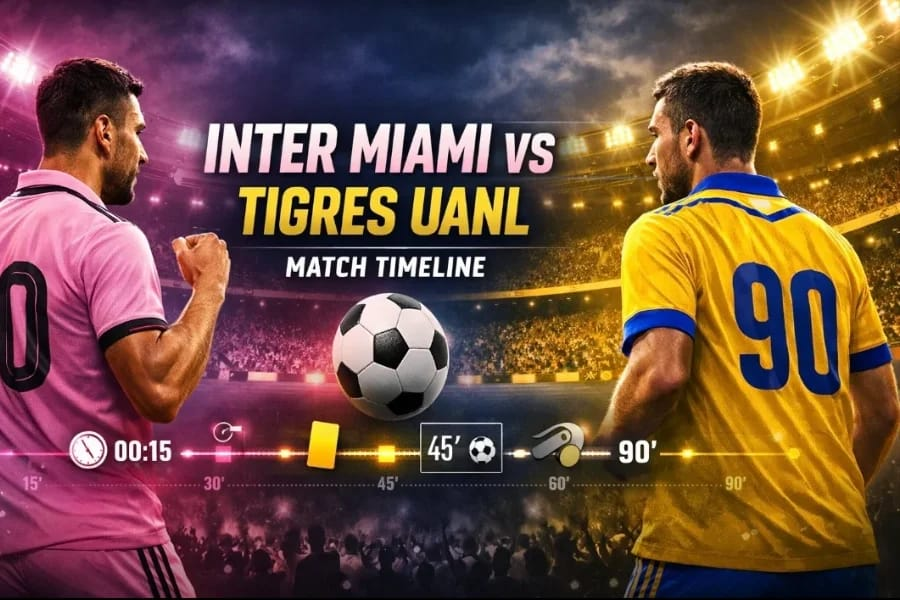
Minute-by-Minute Timeline Highlights
- 23’ – Suárez scores (penalty), Miami leads
- HT – Tactical reset
- 67’ – Tigres equalize
- 70’ – Substitutions change tempo
- 89’ – Suárez scores winning penalty
Each moment contributed to the overall narrative, showing how small events build toward decisive outcomes.
Why This Match Is Trending
Star Power
The presence of global icons like Messi and Suárez attracted worldwide attention and engagement.
League Rivalry
The growing competition between Major League Soccer and Liga MX added extra significance to the match.
Tactical Complexity
The match showcased modern football tactics, including pressing systems, positional play, and adaptive strategies.
Key Takeaways
This match highlights several important lessons:
- Patience and structure create opportunities
- Tactical adjustments influence momentum
- Mental resilience is crucial under pressure
- Small moments often decide big games

Final Thoughts
The Inter Miami vs Tigres UANL timeline is a perfect example of how football blends strategy, skill, and emotion into a compelling story.
From Miami’s early control to Tigres’ determined response and the dramatic late winner, every phase of the match contributed to its intensity.
While star players like Messi and Suárez delivered crucial moments, it was teamwork, discipline, and tactical awareness that ultimately shaped the result.
This match stands as a reminder that football is not just about goals—it’s about how those goals come to be, and the journey that leads to them.
Start Exploring“CountyWelfare” — Discover Valuable Resources Today.